Hamas' Human Sacrifice: A British Commander on Why Gaza Is a War, Not a Genocide | With Richard Kemp
Almost everyone now has an opinion about how Israel fights its wars: mayors, cabinet ministers, courts, comment sections. Almost none of them have ever had to make the call. Colonel Richard Kemp has.
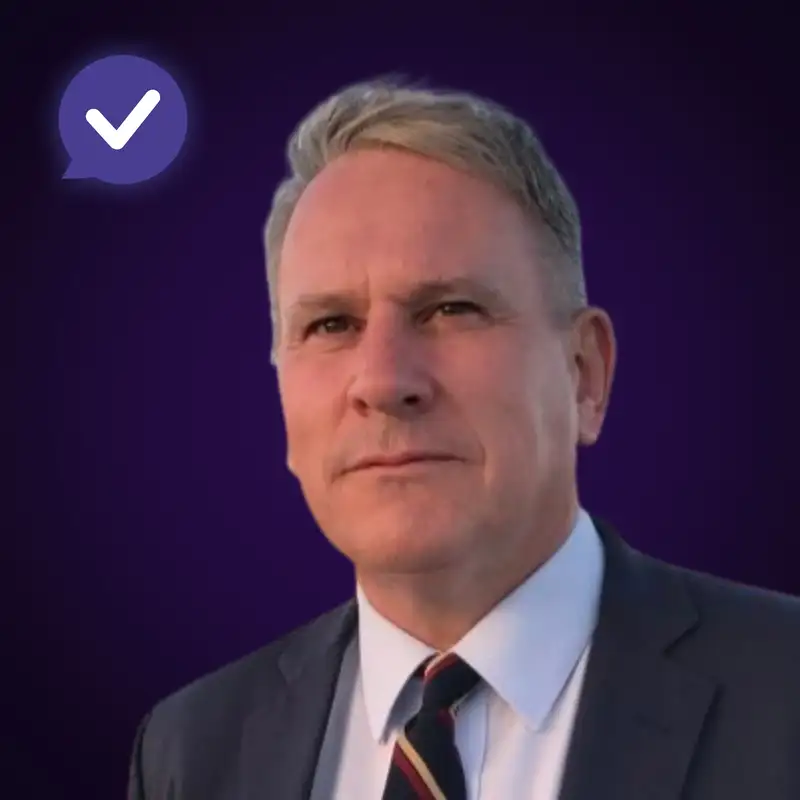
Kemp served 29 years in the British Army. He did tours in Northern Ireland, the Gulf War and Bosnia, and in 2003 he commanded British forces in Afghanistan. He later ran the international terrorism team at the Cabinet Office in London during the 7/7 bombings. In Kabul, he once had to decide whether to order an attack on an al-Qaeda cell hiding in a civilian neighborhood, knowing there was a very high likelihood of killing civilians. He gave the order. In this conversation he explains what that decision is actually like, how rarely intelligence is complete, and why every commander, himself included, makes mistakes that cost lives.
Then he takes on the word genocide. Genocide is a crime of intent, not a crime of scale. So what would it look like if the IDF were actually trying to destroy a people? Kemp's answer: it would not warn civilians, abort strikes, or put its own soldiers at greater risk to keep civilians out of harm's way. It would not build roads inside a combat zone to move food and water, or open new crossings, or bring in vaccines. And if Israel's war in Gaza counts as genocide, he argues, so does almost every modern war fought among civilians.
He walks through what the law of armed conflict actually says about hospitals and human shields, and who it holds responsible when civilians die. He also explains why he would rather call Hamas's strategy "human sacrifice" than "human shields." He describes sitting in an IDF planning meeting inside Gaza before a strike on a former school compound housing displaced people, where he says at least half the meeting was spent on how to protect civilians. He also tells the story of an Israeli Air Force pilot who flew sortie after sortie against one target and abandoned the attack because there were too many civilians nearby.
Also in this episode: how much time a commander really gets when the shooting starts; what IDF precautions cost in soldiers' lives; the debate over civilian-to-combatant ratios; where the legal line sits between a besieged population going hungry and a commander starving it on purpose; what a ceasefire actually obligates each side to do; how a democracy fights an enemy that wants its own civilians killed; whether Israel could defend itself if the United States cut off arms; where the IDF could have done better; and the one question Kemp would put to someone convinced it's a genocide.
He's not a neutral party, and he says so himself. But he has stood where the people being accused stand.
COLONEL RICHARD KEMP Website: https://richard-kemp.com/ Writing at Gatestone Institute: https://www.gatestoneinstitute.org/author/Richard+KempWriting at JNS: https://www.jns.org/author/richard-kemp
THE HONEST TAKE Podcast: https://podcast.honestreporting.com Apple Podcasts: https://podcasts.apple.com/us/podcast/the-honest-take/id1896315802Spotify: https://open.spotify.com/show/1pCnClcM4jiggKP46YZGjG YouTube: https://youtube.com/playlist?list=PLLuF-lEHTGTw_RrfN9EP6pdWhgjMX7Fg5HonestReporting: https://honestreporting.com HonestReporting on X: https://x.com/HonestReporting
The Honest Take is HonestReporting's weekly long-form interview show, 60 to 90 minutes long and recorded remotely. It's hosted by Ben Chertoff. Every episode is at podcast.honestreporting.com.
If this episode gave you something to think about, please leave The Honest Take a rating and review on Apple Podcasts or Spotify. It's the single biggest thing that helps new listeners find the show.
Creators and Guests