No One Wants a Jewish Protagonist: Inside Publishing's New Blacklist | With Meg Keene
THT Meg Keene X Audio.txt
English (US)
00:00:00.040 — 00:00:25.360 · Speaker 1
But I think the bigger issue is that it's become acceptable in mainstream publishing to say no Zionists, which means for most of us, no Jews, no Jews, or only Jews who pass our litmus test. And it is fine to say that in public. And that, to me, is what is the most shocking and the most troubling.
00:00:27.480 — 00:00:46.120 · Speaker 2
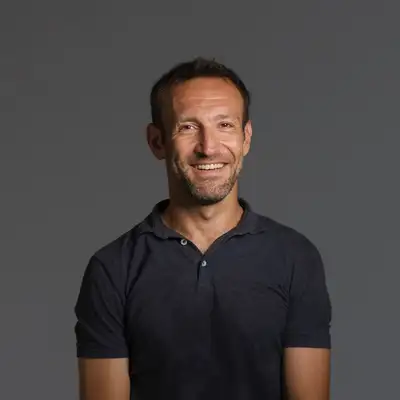
Welcome to the honest. Take the show that goes past the headlines to find out what's actually true about Israel and the people covering it. I'm Ben Chertoff. My guest today is Meg Kean, the writer who put a name to something publishing spent two years pretending wasn't happening a blacklist of Jewish writers.
00:00:51.960 — 00:02:30.700 · Speaker 2
This past week. Pen America, the country's oldest and most prestigious free expression organization, put out a report on Jewish and Israeli writers being frozen out of publishing. Within 24 hours, its own president had resigned over it, not because the report went too far, because it suggested gently, with footnotes, that maybe boycotting Jews was a form of discrimination.
McKean wrote the Wall Street Journal piece that took it apart. And here's what makes her story different. For 15 years, she wasn't a political writer at all. She built one of the most read wedding blogs in the country. A Practical wedding. Two books, well over 150,000 copies passed hand to hand between brides who'd never met.
She got recognized on the street. She was, in her own words, the dream author. And then Charlottesville happened. Then Tree of Life. A woman who came up on the progressive left started saying the one thing that the space didn't want to hear. After October 7th, she sat down and wrote an achingly Jewish novel.
In a week. The Big Five publishers wouldn't touch it. One agent told her the problem was a single word Zionist. Another said the book could survive if she renamed a character from Yale to Sue. So Meg made a choice. If they weren't going to publish her anyway, she'd tell the truth out loud and she let her own career on fire to do it.
She writes the Substack Field Notes for the brave, which is aptly named Meg Keene. Welcome to the Honest Take.
00:02:30.780 — 00:02:33.380 · Speaker 1
I'm happy to be here. Thanks for having me.
00:02:33.860 — 00:02:58.070 · Speaker 2
So before we get into the broader idea of the cultural boycotts that are going on, I want to ask you to explain what the controversy is at Pen America, what happened last week and what led to your story in the Wall Street Journal today? Obviously, we're taping several days before this comes out.
00:02:58.070 — 00:05:16.050 · Speaker 1
But yeah. So Pen America, which obviously is. Um, bills itself is supposed to be America's, um, sort of premier prestige organization around literature. Um, put out a report on exclusion of Jews and Israelis in literary spaces. There's a lot of reasons that Jewish authors don't trust Pen America already, um, including their last CEO, was essentially pushed out for, um, being a Zionist.
I mean, you can split that hair however you want to split it, but you know that, right? Was not great. Um, and so I think a lot of us spoke to Pen America, not under duress, but we were certainly cautious. I've talked to other other authors that spoke to that America and were very, very cautious about it. Um, the report that came out was really good in terms of the research and was very much framed in a way that makes and also ran in our own suffering.
We were really only brought to the table after, you know, pro-Palestinian activists pain was center. Um, so I think a lot of us were sort of torn last week between, well, at least this is getting attention and this isn't a great report. And that came out on Thursday. And on Friday morning, very early news broke that Pan Americas president had resigned over over the report.
Uh, the Atlantic then did research and journalism around it. I ran an article on Friday saying that, um, the writers that worked on the the staff members that worked on the report and I worked on it for months, had hidden in the report from their own board until two days before because they knew that they shared it, where the implication was that if they shared it, the ward would have pulled it.
And so Ward knew two days in advance when it was too late to stop it. Um, and, uh, he resigned in resignation. In resignation. So it was a little bit too much free speech. And for the president of a free speech organization.
00:05:16.050 — 00:05:36.290 · Speaker 2
Right. And he if if I'm not mistaken, one of his arguments was that, uh, it by arguing against cultural boycotts, the that was somehow restricting the free speech of people who wanted to make cultural boycotts.
00:05:36.330 — 00:06:29.660 · Speaker 1
Yeah. So it was interesting researching this, um, for the Wall Street Journal article that I wrote. Um, so that the report itself tried to sort of, um, have it both ways. Right. They, they seek out, uh, a logically difficult position, um, where they said that they were against cultural boycotts but were not against people participating in cultural right.
Right. Oh, it's actually my editor at the Wall Street Journal. Um, I, I sort of wanted to move on past that argument because not because I agreed with it, because I was like, doing that thing you do as a as a writer where you're like, I just want to clear this off the table so I can talk about the thing I really want to talk about.
Right. And he was like, this doesn't make any sense, because boycotts are made up of people who are boycotting.
00:06:30.620 — 00:06:31.020 · Speaker 2
Right?
00:06:31.060 — 00:06:34.100 · Speaker 1
Right. Yeah. Well, I guess we need to talk about that. Um, so
00:06:35.340 — 00:08:11.480 · Speaker 1
what's really interesting is Penn in the report states that this is their long standing position, that they're opposed to cultural boycotts. And when you go back and look at their history, that is in fact, correct. Right. Um, that their their former CEO Suzanne Nozzle actually wrote in the Wall Street Journal at the beginning of the Russia-Ukraine war, opposing boycotts on an author, pointing out that that further dehumanizes people.
That's not the point of literature. It reinforces totalitarian regimes. It does the opposite of what you hope it is going to do. And then more interestingly, in 2007, they actually, uh, were talking about boycotts of Israel, and they were very clear about the fact that it wasn't acceptable yet. So they have a long history of being very clear that the cultural boycotts are bad.
But now BDS is very popular. And so they were trying to have their cake and eat it too, right? They were trying to say that what we don't want to make BDS uncomfortable. And they never mentioned BDS. That was actually not. But they were talking about the cultural boycott of Israeli publishing institutions.
There's a cultural boycott of Israeli arts institutions, but he resigned specifically because he said that the report then implied that BDS might be discriminatory. Um, and he asked me if it's discriminatory, but, uh.
00:08:11.520 — 00:08:12.240 · Speaker 2
Right, right.
00:08:12.280 — 00:08:12.800 · Speaker 1
So.
00:08:12.880 — 00:08:42.560 · Speaker 2
Right. One of your sharpest lines in your piece in the Journal was that, um, you wrote that when Penn discusses Gaza, it speaks in declarative sentences, and when it discusses Jews, it retreats into attribution that Jewish writers feel that they describe. Uh, Gaza gets first declarative. So what does that asymmetry tell you about the organization and the cultural culture in general?
00:08:42.599 — 00:10:09.620 · Speaker 1
This is not unique to Penn, right? Um, I've actually been calling this out on on Jewish Instagram for years in terms of the New York Times language and how with Israel suddenly, suddenly Israel is at fault and with with Gaza, nobody is at fault. Like the things just happening, right? Cars just drive themselves into violence, just blow themselves up.
Um, so it's part of a larger trend. Um, but it was really noticeable in this report as I read the report. I was trying to not throw my phone against the wall because I was going to need it later. Um, you know, but then make strong statements about how terrible Gaza is. You know, the war on Gaza is how, um, and, you know, how much pain people have suffered.
And it sounds very it becomes very, very obvious that they are not even willing to put anti-Semitism into their own mouths. Right. And the more than that, um, it really creates a culture or the language creates sort of a culture of questioning reality. right? Mhm. Um, the Atlantic used my, um, my quote and was like, you know, it's they're using these highly anecdotal things like what magazine said, which it's not actually pointed out as like a little bit of a misuse of anecdotal in that like anecdotal should not apply that someone is imply that someone is lying.
Right. Like if I.
00:10:09.660 — 00:10:09.980 · Speaker 2
Right.
00:10:10.140 — 00:10:52.630 · Speaker 1
Right. Go to the. If I go to the store and I buy a gallon of milk, then that's less anecdotal than it is a fact. Right. Um, I mean, it's anecdotal about it. The larger trend is like people going to the store to buy milk, and we're trying to prove it. Um, but the way that they were never able and never willing to put the words in their own mouths, um, really led to, you know, the tone, having a record of questioning.
Right. Like, ah. And gaslighting. Really? Right. Like many of you are feeling this, they say they're experiencing this, right? Which leaves open the question, like, are they really experiencing this?
00:10:52.670 — 00:11:06.630 · Speaker 2
I mean, it has the the hint of when the IDF or Israelis are quoted, as they say. But the, you know, the Hamas, the Gaza Health ministry, their stuff is taken as fact.
00:11:06.670 — 00:12:48.210 · Speaker 1
Exactly, exactly. It's the same. It's the same pattern that we're seeing across media. And, you know, I, I feel compelled to say that I'm, I'm historically I'm historically left wing. I'm like, not morally someone who disbelieves mainstream media. Right. But the way mainstream media is acting, the way America is acting, the way these, these, you know, major institutions are acting is is really ethically dubious at best.
You know, at the very least, you shouldn't have a double standard, right. Like if you're going to say authors feel this way, authors report, um, then you need to do the same thing. When you talk about Palestinian activists not saving, facing, you know, terrible, dire thing, they're being deported, you know, and they use the most extreme examples.
And when I was researching this op ed, I really dove back into, um, Pen America and Pen International's um, archive on Israel. And, uh, it is one of I mean, it's amnesty and a national level bias, right? Like, they don't they don't even refer to Israel as Israel. They refer it to it only as Israel and occupied Palestine, like.
Hmm. Like one word. Right? Um, and when, you know, and they consistently make these logical leaps, they do a report that's on, on countries where, um, authors are imprisoned or arrested. Right. And I was reading it and
00:12:49.330 — 00:13:00.330 · Speaker 1
felt compelled to like, say out loud to nobody around me. There's a difference between an author being arrested and being arrested for being an author, right? And yes. Right.
00:13:00.370 — 00:13:03.210 · Speaker 2
Like, that's a really important distinction.
00:13:03.250 — 00:13:57.980 · Speaker 1
If I go down the highway at 120 miles an hour, I'd be arrested. But I'm not being arrested for a literary crime. Right. And so when they when you go into the details of, quote, Israel and occupied Palestine, these authors are being arrested largely more. And we can debate should they be arrested? Should they not?
But they are being arrested for being authors. They were arrested for like a left wing. A very far left wing Israeli was arrested for essentially making a speech saying that people should throw Molotov cocktails at the IDF. Right. Like we get, you know, they whether or not he should have been arrested, but he wasn't arrested for a literary crime, right?
He was arrested for incitement and further they. Then literally I was like, I have to read this twice. This is real. They count, um, authors that the Palestinian Authority arrests um, on Israel's town.
00:13:58.540 — 00:14:00.100 · Speaker 2
So really.
00:14:00.140 — 00:14:00.780 · Speaker 1
It was.
00:14:01.620 — 00:14:02.340 · Speaker 2
Like, wow.
00:14:02.380 — 00:14:09.380 · Speaker 1
Then along with they were like, you know, the Palestinian Authority also had problems with free expression this way. So, you know.
00:14:09.420 — 00:14:10.100 · Speaker 2
Yeah.
00:14:10.180 — 00:14:25.140 · Speaker 1
Tell me more about this. And they were like, oh, yeah, we counted it because it's Israel and occupied Palestine. And I was like, okay, okay. So that's how we're doing the numbers now. So, you know, they don't have a I would not say that they have a, a clean record.
00:14:25.180 — 00:14:50.750 · Speaker 2
Right? I mean, it sounds not unlike the CPJ, the Committee to Protect Journalists who have been citing, you know, how terrible Israel is for for intentionally killing journalists. Then it comes out that so many of these were actually Hamas terrorists who happened to write something or, you know, propagandist for Hamas and, you know, quietly removed off the list.
00:14:51.070 — 00:14:54.070 · Speaker 1
Of ten sites that you. So. Okay. Yeah.
00:14:54.110 — 00:14:56.630 · Speaker 2
What what's their take on that?
00:14:56.670 — 00:14:58.790 · Speaker 1
Their take is that that would be saying that.
00:14:58.830 — 00:14:59.150 · Speaker 2
Okay.
00:14:59.190 — 00:15:27.190 · Speaker 1
You know, I was like, I'm fairly sure that we can now stand look at all these people were like senior guys at Hamas. But I mean, actually one of the things that I thought was the craziest was there was apparently some incident with settlers beating up Palestinian journalists, which, you know, I didn't research, I couldn't independently verify, but like, I'm not a fan of that behavior.
Right? It is so not the behavior of the state. Right?
00:15:27.230 — 00:15:27.790 · Speaker 2
Right.
00:15:27.830 — 00:15:49.680 · Speaker 1
We can argue all day whether the state is supporting, you know, bad actors in the software movement more than they should. But but regardless, these were just bad actors, right? Really like. You can't say that because some settlers beat up some people wearing a journalist vest. But the state of Israel, like, get like, that's not on their tab.
Right.
00:15:49.720 — 00:15:57.880 · Speaker 2
Right. But that is such a conflation that is now making its way into the mainstream. Is is calling all Israeli settlers, right?
00:15:57.920 — 00:16:11.640 · Speaker 1
All Israeli settlers. But apparently, somehow all Israelis are also like operatives of the state. Yes. Right. Like all. And then, like all of us are apparently, like all Jews everywhere are operatives of the state, right?
00:16:11.720 — 00:16:12.880 · Speaker 2
Like we're all Mossad.
00:16:12.920 — 00:16:14.000 · Speaker 1
Right? I wish.
00:16:14.480 — 00:16:35.600 · Speaker 2
Um, so let's get into your history and how you came into being such, uh, such an activist for, um, Jews on social media. Jews in general. Um, you are the most quoted person in the Pen America report. I want to go back. Who were you before any of this?
00:16:35.920 — 00:17:06.930 · Speaker 1
Yeah. So I was opponent blocker in the in the 20 tens in that in that era. I always remind people like it was a different era. So we have to we're talking about. Um, I'm really a I wrote a blog called A Practical Wedding. Um, where we covered the title was a little misleading. We covered weddings, but also marriage and relationships with, like, a feminist, progressive angle.
Um, you know, I was always publicly Jewish. Uh, I
00:17:08.010 — 00:19:15.950 · Speaker 1
had a long conversion process, but I finished my conversion process. I mean, I normally talk about being a convert because you're not supposed to, but I finished my conversion process and my four year long conversion process before my wedding. And so, you know, like, it was public that I was converting.
And then I had a Jewish wedding. Right. So I was publicly Jewish online from from magic get go. Um, but, you know, they were different. I got married in 2009. Right? Like it was really not an issue ever. Um, and so I it was a big publication. We were bigger than thought. Weddings. Right. I got regularly recognized on the street.
My husband regularly got recognized on the street. Right. Like it was. You know, it's a different era. Um, I was well, I was very well known. Um, and I had two books, and then a second edition of my first book, which you have to sell a lot of copies before a big fat publisher was going to give you a second edition rewrite with your face on the cover.
Um, so I wrote a book called A Practical Wedding and one called A Practical Wedding Planner that combined have sold, uh, well over 150,000 copies, which is a lot for a book. Uh, and and I'm very proud of this book. So they really like I, they have they must have reached like, a million people because they were sort of famously passed hand to hand to hand.
You know, people would contact me and be like, I'm the fifth bride that's had this book. So they sold incredibly well. Um, I think it was Kirkus or Booklist that reviewed them as like classics on the wedding shelf. Um, and I was, you know, a reasonably beloved author. I'm not a diva. I do my own press. I deliver books that are ready to go and need very little editing.
Um, you know, and and like the what's called the dream author. Right. Mhm. With an author like that. Like it was always like, if you want another deal, it's on the table. And so that was my history. And then um, Charlottesville happened and that was my first moment ever really starting to feel uncomfortable.
You know, I was writing.
00:19:15.990 — 00:19:16.430 · Speaker 2
Right.
00:19:16.470 — 00:21:51.940 · Speaker 1
From the left. Um, from what at the time, I would say was the progressive left. Now that same position is more thunderous. They think, um, Charlottesville happened and, you know, they were chanting Nazi slogans and their response was basically like, support every minority except Jews. Yeah. And and then.
But I didn't feel comfortable saying anything. You know, I was very public, very public in the progressive space. And then tree of life happened and I, I really snapped. Right. And I've always been very public about my opinions. Um, so that's when I started speaking out. And that is actually the moment I think that, uh, Jim said that like, Jewish Instagram was born.
Um, all the big names now, um, were all like, we all sort of started out together, but I was not trying to make a name for myself in terms of like being a Jewish influencer, because I still had a separate business. Yeah. And then and then the pandemic happened. My business sort of slowly fell apart. Um, very hard to run a wedding business during the pandemic.
Very unpleasant. Also turning away during the pandemic. Um, and then I have been in, like, a very strange period of transition, which I wouldn't wish about anyone, but we all have those in our career. And in that transition, I got really interested in writing fiction. Well, I was convinced I could not write fiction.
My entire career has been writing, but I was like, fiction is like this magical other thing. Um, and then I decided I was going to try. And it turns out, if you're a writer, you're a writer, right? And I was always reasonably good at it. So I was writing fiction. I was writing sort of, um, high and more literary realm.
I'm not a great fit on the romance shelf, but like, love, love stories or eccentric character driven, um, on October 7th happened. You all know how that went. I could not produce any creative content for the life of me. Um, and then I got to a moment where I could. I literally sat down and had a scene that I had been carrying around in my head for decades, and I was like, I'm just going to see if I can write this down, right?
Like, I just needed my writer's block. Write down a scene. Um, and then came back to it a month later and was like, huh? Sent it to a friend. And a friend was like, this is a book. I wrote the book in seven days. Wow. I edited it and had it out the door in six weeks. I mean, I was right, it was crazy. I was writing 10,000 words a day.
Uh, yeah. It was like I was it. I mean,
00:21:53.220 — 00:23:13.990 · Speaker 1
you're a writer. Like those rare moments of writing where it feels like you're, like, handling something beyond you, and you're like, oh, like your fingers are just. Yeah, right. Um, so it all happened very quickly. I went out, I needed to get a new agent. Book agents are typically fiction or nonfiction.
Um, and my agent was nonfiction, and she had generally retired. So I had to go through the querying process like I was brand new. Um, and for those who don't know, querying and finding an agent, um, often takes years, right? Like for fiction, it will often take like three novels and five, you know, best selling authors that you know will tell you that they went to them three authors in seven years to find an agent.
Um, I in six weeks, I had 24 requests on my script. Um, and then I had four offering agents, and I had a couple of other agents who were interested in offering, but potentially but timed out because I at that point, I was like, it's a feeding frenzy. I have to make a choice. And all of this is with the background that I had to research every single agent to see what they had said about Judas or Israel.
Online is so my pool of evenings that I felt comfortable reaching out to, which wasn't like they've ever said anything nice about Israel or Jews. It was. They've never said anything terrible.
00:23:14.030 — 00:23:15.110 · Speaker 2
Right, right, right.
00:23:15.150 — 00:26:24.830 · Speaker 1
So that was about a third two thirds of agents I, I couldn't reach out to. So I had this feeding frenzy. I had multiple offering agents. Um, and that was when, that was when sort of warning signs started to show up. And this is my 86. This is six months after October 7th. Um, we now know that it was. Things were cooling for Jews in publishing, but not everyone knew, right?
Like, agents were not, like, fully, fully aware of what was happening. Of the offering agents. One of them told me pretty directly that she had looked at my Instagram and she was willing to work with me, but wanted to be clear that she didn't know if anyone would touch me because of politics. And I was like, what do you mean, my politics?
And she was like, well, you're a Zionist. And she said, but at least the word Zionism doesn't appear in your book, and at least your characters are not Zionists. And the political I thought, like, obviously my characters are Zionist and and the my friend is I had written because of the moment I had written this incredibly, incredibly Jewish book, because it felt like the book that Jewish women needed.
And in fact, when I passed it around and like I gave it, you know, it has been read on the beach, Tel Aviv, inshore, on someone's phone, like beginning to end in one direction, right where women are like, this is what I needed. This is what I needed. Yeah. So very Jewish in tone. Sort of, like achingly sad. Uh, also, they call each other like clam.
Shelly and, um, they talk about their Holocaust history therapy. So one agent says your true political, another agent is Jewish. Um, and I really respect. And she said, uh, I hate the this is breaking my heart, but we would need to take out basically every part of the book that is Jewish. That doesn't apply.
Um, like they can Jewish in name only. Well, not anymore, only because the best friend is named al, and she said it's one of my favorite names I named my characters based on names I wanted to give my kids, but I didn't, and I was like my favorite names, right? Like it was in consideration for our daughter. And she was like, but we have to pull it out.
It's an Israeli name, and it will be a red flag for editors, and it needs to be something like Sue. I didn't sign with her. I probably should have signed with her because she was correct, but it would have broken my heart and it would have. Yeah, such mixed feelings because it's like in the end, looking at the data that I looked at, I don't think the book would have been signed anyway.
Um, but there's that part of me that's like, maybe I could have gotten it through and there would be one more Jewish story, but then I would have had to rip out the heart of the story to to write. It went on on submission to the Big Five. It didn't sell. It went out on submission at the end of 2024. It didn't sell.
I can now tell you, looking at numbers that basically very few, very few I believe seven Jewish books by Jewish authors sold that year are books on Jewish themes by Jewish author sold that year One.
00:26:24.830 — 00:27:09.510 · Speaker 2
I happened to be in the middle of all of this come across a post, I think. Yesterday I don't know if this is anecdotal or if this is true, but I wanted to ask you if you've run into the same thing. But speaking of literary agents, they have lists of kind of like, don't send me the stuff, the stuff that they don't want to see and almost all of.
And the funny thing is, this was not a person posting specifically from a Jewish standpoint. They were just saying that like, look at these ridiculous how how confined the world has become. But they also, like almost every single one said like had a line that was they were and they were almost all the same.
No cops, no fascists, no Zionists in the story.
00:27:09.550 — 00:27:13.510 · Speaker 1
Yeah. So Lisa pens employees in, as I believe, who were talking about this, about who is.
00:27:13.510 — 00:27:14.150 · Speaker 2
Yes. Yeah yeah.
00:27:14.150 — 00:27:20.110 · Speaker 1
Yeah yeah. She is actually she's a ex-Soviet Jew and they really don't like censorship. I was
00:27:21.230 — 00:31:30.440 · Speaker 1
like, um, yeah. Like Leeds is a friend of mine and we talk about this a lot. Yeah. So there's something called manuscripts manuscript wishlist. Um, right. Um, and you can go on and it's mostly agents telling you what they're looking for. And when you were querying, you go on manuscript wishlist, what you're going to query an agent and you check to see what they're looking for.
And often it can help you shape their pitch. Right. Like I, one of the agents I pitch, said she was looking for like something meets the Red tent. And I was like, well, I kind of did that. If the evidence, like a romance novel, means Jewish women, right? So increasingly, and I find this really fascinating, it's the same audience that is screaming their heads off about book being right, and Buffy is bad.
I'm not a fan. I mean, yeah, the tables of Barnes and Noble that have 1984 on it, as you know, a ban book are being a little bit ridiculous. But, like states like Texas are genuinely creating lists of books that can't be used in schools. And some of those are probably valid. And that like, maybe it's just inappropriate content, but it impacts authors and it impacts their livelihood and their careers.
Because if you're on a book banned list in Texas, you can't then get gigs speaking to schools. And if you're a kid, little heard that that matters. So it is a real issue, right? But the same people that we're talking about, book banning, are then creating these lists on manuscript wish lists where they're like just incredibly narrowing in the field.
And sure, as an agent or an editor, you are creating a list and you're, you know, you're creating that to, like, match what you're interested in, right? Like, I would not want to buy a bunch of like, cop novels because that's not what I read, right? Were I an agent? Um, but these lists, the problem is there's uniformity across agents, right?
We're increasingly seeing agents that are only like female progressives. Um, in the modern sense of the progressive term, you know, they don't want conservative viewpoints. And again, I'm not a conservative, but I think it's actually quite illiberal. Like, as a liberal, I have a problem with the fact that you like that's the point of liberalism, right?
It's that we bring multiple points of view to the table and, you know, best idea wins. But also in fiction. Fiction is about story. This is one I get emphatic. Fiction is about empathy. Fiction is not supposed to be about like having a point of view and sticking to it. I'm actually reading, um, a very, uh, explicit novel called games, which I highly recommend, um, where it is a love story between like a neoliberal X Soviet and like a younger, um, like socialist progressive.
And they're arguing their points of view. Right. And location is not that one point of view is correct. It's that we exist in a world where we have different opinions and conviction is a wave that lets us into the minds of people that are not like us. Right. Right. So increasingly, those lists do openly say, um, no Zionists or no Zionists.
Point of views were usually paired with Nazis. So usually say no Nazis, no Zionists. Um, which is obviously particularly offensive. And it's treated like it doesn't really matter if the anecdotal or that's just one agent or that's just another agent. But I think the bigger issue is that it has become acceptable in mainstream publishing to say no Zionists, which means for most of us, no Jews, right?
No Jews or only Jews who pass our litmus test. And it is fine to say that in public. And that, to me, is what is the most shocking and the most troubling, right? Because there is no other minority, boys then be driven out of the business. If they were like, we don't want any. You know, I don't want any books by Mexicans, right?
Like.
00:31:30.480 — 00:31:31.200 · Speaker 2
Right. Right.
00:31:31.240 — 00:31:33.240 · Speaker 1
That's really racist.
00:31:33.760 — 00:31:37.040 · Speaker 2
Or any, any books by somebody who supports the State of Mexico.
00:31:37.080 — 00:31:41.440 · Speaker 1
Right? Because that's because that's also insane, right?
00:31:41.520 — 00:31:42.160 · Speaker 2
Yes.
00:31:43.080 — 00:31:52.440 · Speaker 1
And like the Mexican government, like, there's cartel problems. Like there's real problems in Mexico. Yeah. We don't even say like, no authors.
00:31:52.480 — 00:32:00.280 · Speaker 2
Or China or Russia or all these states that have or or many of the Middle Eastern states that have very checkered human rights.
00:32:00.320 — 00:32:01.280 · Speaker 1
Correct.
00:32:01.440 — 00:32:02.040 · Speaker 2
You know.
00:32:02.440 — 00:32:10.720 · Speaker 1
History's correct. I mean, China has actual concentration camps right now. Absolutely. Yeah. That's fine. But again,
00:32:12.600 — 00:32:23.010 · Speaker 1
if someone was like, I don't want authors by people with any sort of ability that we don't support. If you have family in China, don't say, look right.
00:32:24.370 — 00:32:26.010 · Speaker 1
That's lunacy.
00:32:26.050 — 00:32:26.690 · Speaker 2
That's like.
00:32:27.090 — 00:32:31.650 · Speaker 1
Open bigotry. Um, but it's a it's allowed in this. In this one instance.
00:32:31.650 — 00:33:04.090 · Speaker 2
It's gone beyond agents just writing what they don't want to get. Um, in 2024, there was the is your favorite author a Zionist spreadsheet which which is similar to other, you know, other cultural forums where these doxing like spreadsheets and lists have gone around, um, which led to Goodreads review bombing canceled events.
Can you kind of connect the dots on that? I mean, it's it's disturbing to see lists of Jews these days.
00:33:04.130 — 00:34:00.410 · Speaker 1
It's disturbing to see lists of Jews. Um, so before I even get into it, let me tell you that I was looking for is your author. Assign it. So that spreadsheet, um, which listed a bunch of fiction authors who were almost entirely Jews. And that listed sort of their purported crimes, um, and then marks them, then color coded like green, red, yellow in terms of like they ax that poor Sarah J.
Moss, who's obviously selling just fine. She's a huge, huge really probably the biggest romantic author right now. Her crayons, which I always joke about, were listed as, um, she went on birthright to the Kotel and put two prayers in the wall. One was that she'd become a published author and one was for peace.
And now she was sold like hundreds of millions of books. And I was like, well, well, two isn't bad, I think.
00:34:00.610 — 00:34:01.370 · Speaker 2
Right, right.
00:34:01.410 — 00:34:06.970 · Speaker 1
You said the most published author in the world, and, uh, there's no peace at all. But, you know, she got.
00:34:07.050 — 00:34:08.169 · Speaker 2
Yeah, right.
00:34:08.210 — 00:34:25.899 · Speaker 1
Yeah. So I was looking for this spreadsheet, and, um, the GTA is one of the only places stuff that has like a screenshot of it. So I went to the okay, looked it up. I had not realized that the GTA has possibly digitized their entire archive of like 100 plus years. Um, so I looked it up.
00:34:25.940 — 00:34:27.860 · Speaker 2
This is the Jewish Telegraph Agency, right?
00:34:27.980 — 00:34:52.980 · Speaker 1
Telegraph agency, one of our wire services. So I looked it up like Jewish blacklisting, whatever. And there was a list of articles that came up, and I was like, okay, great. This is like the first two. I was like, great, this is about it. Click through. It was like, something feels wrong with this article.
Like this. What's wrong with this? And then I realized the article was seeded. I am not making this up. The article was dated 1939 and it was about. Yes, it was about.
00:34:53.260 — 00:34:53.700 · Speaker 2
Wow.
00:34:53.860 — 00:35:01.260 · Speaker 1
Of Jewish authors in Germany. And I was like, and mind you, I had read two paragraphs and.
00:35:01.260 — 00:35:02.540 · Speaker 2
Thought, I thought it was from today.
00:35:02.780 — 00:35:09.780 · Speaker 1
An article. And I was like, oh my God, went back and was like, this is the right article. Click through. It was also from 1939, in Germany.
00:35:10.140 — 00:35:10.740 · Speaker 2
Wow.
00:35:10.940 — 00:36:40.880 · Speaker 1
It was the third article. That was the article of 2024. So this is part of a really much broader trend. If you go on Instagram, there's also an account called Zionist Authors I believe, or they make you like a kicky graphic and it's like your headshot and then it says Zionist behind you. Um, but it's apparently a bad thing.
Um, and book like Booktok uh, on TikTok is is just a cesspit of this where they talk about problematic authors and most of them problematic. All heresies become sort of a code for Zionists. Um, rights is also bad. I assume blue Sky is bad, but the reason it really matters is it is part of something that's much, much bigger and more entrenched in publishing.
As I started talking to people. Um, I had discovered I've talked to this is one of those things where I hate to cite like. Trust me, bro has the source, but it's tricky to find anyone that will fall on the record. But I have talked to multiple people that worked within Big five, and the big five presses in marketing are in administration and the reports are very consistent, which is that discrimination inside is like very real and like it's not abstract, but one of the biggest places it's coming from is that Big Five is increasingly reliant on influencer marketing like everybody else.
Right.
00:36:40.920 — 00:36:41.440 · Speaker 2
Right.
00:36:41.480 — 00:39:07.509 · Speaker 1
So they have influencer marketing teams and groups. Right. And those influencers will not work with Zionists, authors or with authors perceived to be Zionists. Jews. Right. And more than that, those teams if they bring if if a author is signed who they feel is Zionist, who they are not asked to work with, they will bring it up and in meetings and say like, why did you sign this genocidal scientist?
Like, we are not sure we want to work with you as a company. Therefore, um, and this was really vast, sort of shown with the Saint Martin's Press boycott, which started right after October 7th. Um, a marketing staffer at Saint Martin's Press, um, who basically was Jewish, Jewish, like the rest of us, um, I believe has family in Israel.
I have seen the screenshots that she pointed out. She posted it because they are still on books. Fran. Um, she gives it like pray for you know, this was on October 7th. Great folks that I know well, like, you know, she reposted stuff that all of us reposting. Um, and so she was targeted by influencers as being Zionist, but specifically they said she was anti-Arab, she was racist and she was Islamophobic.
And because of that, they started the Saint Martin's Press boycott, which has never officially been called off, to be clear. Um, and it caused, I mean, Saint Martin's. I don't know if they actually lost the book sales, but they certainly lost money. Like, as someone who's run a publishing company, they certainly lost money, right?
They had to put out PR statements. They had influencers that wouldn't work on major books, um, and major books not written by Zionist means. You're not written by anti-Zionist. They wouldn't even work on those frogs. Um, so that really, I think, had a chilling effect. Right? Because then it became it was a warning shot, right?
Like across the bow that you work with Zionist authors, we're going to make you pay and it's going to cost you on your piano. Um, and publishing is an industry that is absolutely run by the PNL. Uh, so, you know, I always equate it as like, if your option and this is all quality aside, right. And and let's be honest, there are a lot of terrible rumors
00:39:08.710 — 00:42:29.340 · Speaker 1
get published. There are a lot of terrible books that get published. Uh, quality is not a prerequisite for getting your book published. So people will be like, maybe writing is just terrible. Maybe your book is just terrible. Maybe all these books are just terrible. And I often feel like even if that was true.
Like some of them should get published because we published several books all of the time. But if you're often just using me as an example, right. Because I don't use someone else. If your option is, you can pick up a novel from me, a very public Zionist, or you can pick up a somewhat similar novel, like to say, let's call it romance, even though my books are not, like entirely, but let's just call it romance, right?
You can pick up a romance novel for me about book signings, or you can pick up a romance novel from su, who is just like a white lady with no Israeli politics. Even if you think my book will sell better because I have, you know, an audience and I have dedicated social media and I have a track record. Whenever you know that, it is going to cost you, right.
That I may make you $1 million. Because publishing makes a lot more than authors to write. Like I make a dollar in a book. Um, I may make you $1 million, but I may cost you $1 million in terms of boycotts and time with your PR department and crisis PR, right? So in that sense, especially in a world where nobody is talking about this and nobody is calling it out, obviously you're just going to sign Sue, right?
You're not going to sign me. And to me, that has been part of the goal of choosing to go public, which I when I chose to go public earlier this year, I basically was like, this is it, and writing my fiction career on fire. But at that point, I felt like I really didn't have a career left to run on fire. Light on fire.
Right. Like it was clear they were not going to publish my books. It didn't help clear that they weren't going to publish my nonfiction either. Um, and so I was like, I like, if I have nothing to lose and I have a platform and I have like a historical precedent for speaking out and I already have a Reddit forum.
Right. I think it's not trashing me as new. Um, I might as well be the person who, like, throws themselves on the pyre and lights their career on on fire. But, um, yeah, it's just like, why sign me if you can sign someone easier? But the reason I think it is so important for us to make this public and try to break through, not just in Jewish media, but in mainstream media, is publishing needs to be shamed, right?
They are people to do this because in large part, people in publishing. It's not that, especially senior people in publishing who are, you know, older generations. It is not that they hate Jews, it is that they are catering to the loudest voices in the room. The voices that are going to punish them and those that are going to shame them.
And Jews have thus far gone quietly, basically. Right. Like we have not made noise. And so they have not had to face what they're doing, and they'd have been able to tell themselves they are doing the right thing and they are doing the moral thing. Um, and at the end, I don't know if big by publishing is ever going to
00:42:30.380 — 00:43:16.990 · Speaker 1
like, do the right thing. But the the other sort of piece of this is that means we are going to have to build our own institutions, and that means, like as a community, we have to understand why Jewish literature is important, why we have never survived without our memory and our test and our tradition. And like people are going to have to like to be perfectly frank.
Like people are going to have to open their Shabbos like. And that's how we got to the people. We have so many hospitals with the with the with do it because we needed them and because Jews were successful, wrote checks because they understood seeing it was needed. So I think it's multifaceted, but I think we were just at the point where seeing that silent is not serving us, and we know how to do this, as the people.
00:43:16.990 — 00:43:28.870 · Speaker 2
That I have found is a recurring theme through other areas of the Jewish world in general, is that we have to start supporting ourselves the way that we supported everything else.
00:43:29.150 — 00:44:49.640 · Speaker 1
And apparently that is that it's like you can look these up, but the statistics, obviously, Jews, huge donors, right, have been hugely successful. Many Jews give lots of money, but we still overwhelmingly give money to non-Jewish causes. And when we weren't in crisis, like, great, my husband often says that like there, there was this feeling after the Holocaust that like, maybe we survived to become like a race of munchies, right to, like, bring light to the world.
Um, and I don't think that was really ever true, but it certainly can't be true now, right? Like, we have to for ourselves. And I think we cannot depend even on our legacy institutions to be like. Well, they'll they'll take they'll take it from here because they have it right. They not. And so it really has to be incumbent upon us and it has to be important.
And, and we have to stop saying like, oh, someone else will do it. Someone else or someone else will start the process. Someone else will speak out. Right. Like if my words can are reaching you now, if I want to help in whatever way you can. Renee.
00:44:50.240 — 00:45:22.650 · Speaker 2
One of the things that sticks out to me, and you were talking earlier about how Jews need to start making more noise, is, you know, the ears that that noise falls on and the reception that it gets because the The Penn Report came out and it didn't get mainstream attention until the next day when Mengistu resigned.
That was the the tipping point that made it suddenly a story. And there was a New York Times story about that. What does that tell you?
00:45:23.210 — 00:45:55.610 · Speaker 1
Well, I've been in the trenches with this, right, like I have. This was not the first op ed I pitched to the Wall Street Journal. Uh, though there was a reason they picked this one up. Right. And I'm very grateful that they did. Um, I had pitched dives in the New York Times that, unsurprisingly, have not gotten picked up.
Right. Like it has been very, very hard. Um, and I think that's beginning to change and I think that's continue to change. Right. Um, interestingly, as as
00:45:57.140 — 00:47:07.830 · Speaker 1
Unhelpful, as the Penn Report was. In some ways, I think that it has kicked off a conversation that we are now going to see continue. I think we're going to see more reports come out. I think the evidence has begun to become like more undeniable. And but it's really it's really hard to get the mainstream press to care.
And I think it's again, I think it's important for the mainstream press to care because I think we have to shame people. And also, I have decided personally that even if we cannot get anyone to change their actions right, if we cannot get a single person in publishing to change their actions, I want to make sure that I have done my part to document what is happening so that things change, even if it takes a decade, even if we've lost an entire generation of talent, right?
Even if I never have a novel published, I want us to be able to look back and how on the record, as we have always done it, shows this happened. This is what was done right. Like this cannot happen again.
00:47:07.870 — 00:47:13.150 · Speaker 2
I mean, it's like the JTA story that you found from 1939 is the thing, at least in my head.
00:47:13.350 — 00:47:15.310 · Speaker 1
What if that hummed in on the record?
00:47:15.350 — 00:47:16.670 · Speaker 2
Right, right, right.
00:47:16.710 — 00:48:21.520 · Speaker 1
Like, we have to document it, and it's the only place that's going to document it is the JTA is the jazz is times of Israel is the Jerusalem Post you know is the foreword is Hadassah whatever. Then that's where we have to document it until the rest of the world starts paying attention, because at least then there will be a historical record that you can point to.
And and building that record in terms of what's happening in publishing and, and the arts more broadly, because this is not just publishing, right? This is theater. This is visual art. Um, you know, this is the arts in general, and building that record is really only just starting, I think. But we have to ask ourselves, like who?
What have we saved as a culture? Like who have we saved? If we've saved like only Jewish bodies, but we have no Jewish art, if we have no Jew, we have no Jewish painting. If we have no Jewish theater, like, you know, we have no like, what is musical theater without Jews or God?
00:48:21.560 — 00:48:29.360 · Speaker 2
What is any art without without Jews? I mean, the history of modern art is is all Jews. Marcus Roth Rothko's white.
00:48:29.520 — 00:50:34.780 · Speaker 1
And and and also who are we as a people? We are not a people for whom culture is an. And this actually feels sort of more emotional. But like, we are not a people for whom culture is an extra. We are not people for whom culture is like the icing on the cake, right? Like arguably like Talmud and Torah and really in word that introduce them, whether religious or not, like Talmud has created the words, the written words of Talmud had created the culture that all of us live in.
Issues like religious and secular have created the culture where you and I are having an intellectual discussion and debating. And this isn't just fiction, it's also nonfiction. And like, who are we as a people? If we can't publish like our nonfiction arguments, if we if we don't have Mark Rothko. Right.
Like, so are we and I the answer is like, we cannot save ourselves and lose our soul. And and that means we have to fight for both at the same time. But the good news is that is what brings joy to the fight. You know, I keep pointing out to people like things are really hard right now. Things are really depressing.
And if one of the things you can do to genuinely make a difference is to pick up a Jewish novel, buy a new offer and read it like over Chavez or on the plane on your way to a business meeting. Like, what a joy. I have just read like Afghan Jewish novels that were all recently came out a bunch by Israeli authors. Like what a joy.
And I felt. I went from feeling depressed, feeling like, huh? This is like I live in a in a world in a culture worth being part of. So, you know, I think not only does it save our culture, but I think it literally sort of helps save us in a, in a non-Christian ways. It helps like quite literally like save and and heal our souls and help us, like return to ourselves and in the midst of a global emergency.
00:50:34.940 — 00:51:06.270 · Speaker 2
Yeah, I want to I want to talk about the a bigger theme that I have seen developing. And I'm not obviously not the only one who's noticed this. Um, the idea of like, Gaza and Palestine is being this messianic savior of the world, Marty Friedman. I'm sure you read his book. I mean, his historian cosmology stories featuring Gaza.
The other point of view are not having a problem getting published.
00:51:07.790 — 00:51:14.110 · Speaker 1
Penn was like, you know, pro-Palestinian authors are being punished. And I read it all out.
00:51:14.430 — 00:51:15.110 · Speaker 2
Right?
00:51:15.270 — 00:51:22.390 · Speaker 1
Was like, buy my multi book deals. Like it's like, is there a punishment by like prominent bookstore placement.
00:51:22.390 — 00:51:27.670 · Speaker 2
And yeah, you can go into any independent bookstore now and there's a wall of books.
00:51:28.150 — 00:52:18.640 · Speaker 1
All my books. I went to my 13 year old son in a bookstore and he was like, shaking his head at me and was like, no, we need to leave. And I was like, I was gonna go by and goes, not here. I'm like 13 year old. And finally I walk him outside and he's like, tears are in his eyes. And he was like, I have to show you. And then he walked me back in to this like, cosmology shell that he had looked at.
That was truly. I mean, to be clear, I am always like like Moses. I think I am in favor of more books of war. Do I not think that these books should not be published? I think they can't be the only thing published. But also, as Marty Friedman, like pointed out, there are a lot of really ridiculous books, right?
Like, really, truly like, you know, gay rights in Gaza or whatever, like,
00:52:19.960 — 00:52:20.640 · Speaker 1
um.
00:52:21.120 — 00:52:25.760 · Speaker 2
Gaza being, you know, Israel being the cause of environmental disaster globally.
00:52:26.080 — 00:52:31.040 · Speaker 1
And one was like the martyr that it was like, I mean, it was very, very religious, right?
00:52:31.080 — 00:52:31.840 · Speaker 2
Like, yeah.
00:52:31.840 — 00:52:38.280 · Speaker 1
Yeah, they were way like the martyrology of Palestine. How Palestine, how God is sacrificing themselves for the world.
00:52:38.280 — 00:52:58.010 · Speaker 2
The books about Gaza are getting sold. But the thing that really sticks out is, is, um, you know, the writers against the war on Gaza Wayward, which has been a very active group in terms of creating these blacklists of authors. They posted something
00:52:59.450 — 00:53:09.250 · Speaker 2
or were quoted yesterday in The Times of Israel as having said that. And I'm quoting, there can be no freedom to write without a free Palestine.
00:53:10.210 — 00:53:15.330 · Speaker 1
Because. Sounds fine. Is the unit cost now? Right. Like it is.
00:53:15.730 — 00:53:17.930 · Speaker 2
It's astounding. Yeah.
00:53:17.970 — 00:53:32.490 · Speaker 1
So do you know how big Gaza is? Like, I don't think people understand. I went to Israel for the first time last summer, and I'm from California, right? And I was this country also. The bottom half is desert. Right.
00:53:32.610 — 00:53:33.450 · Speaker 2
Yeah. Yeah.
00:53:33.490 — 00:53:56.660 · Speaker 1
No. Not really. Like, there's some like. But it's not, like, really inhabited. Right. And I was just struck by, like, especially as a Californian, it takes me 2 or 3 days to drive the length of my stay. Like, I was like, oh, we drove down to the from Tel Aviv to the to the Gaza envelope, and I was like, what? That's it?
You know, there are parts where it's like from the ground lot into the beach, like in fall.
00:53:56.700 — 00:54:01.580 · Speaker 2
Yeah. I mean, you could you could walk it in, in a, you know, not too long a time.
00:54:01.620 — 00:54:05.939 · Speaker 1
Israel is not the center of the world, and God is like
00:54:07.220 — 00:54:34.660 · Speaker 1
tiny. Uh, but. Right. It's not. And also like Writers Against the War in Gaza, I'm always like, so I'm sorry, who are like writers for the World war in Gaza. I will say I was there during the war. We were running to bomb shelters with Israelis. There's a reason, right? There's reason we were, you know, the hostages were not back.
But it's not like Israelis, conservatives, Israelis, liberal Israelis are like, God, this is a fun war. And we're so excited that we did.
00:54:34.700 — 00:54:37.740 · Speaker 2
Yeah, exactly. Nobody is for genocide, right?
00:54:37.780 — 00:55:31.430 · Speaker 1
Right. No, I was like, I was just October 7th. I was just waiting for a Greek. Like when nobody's for this, right? We want peace. We want to know how to send our our kids, you know, to war. We want to not have to be slaughtered. We want to not have to run to bomb shelters. Um, so it's just the the entire thing is built on a on a false premise, right?
You know, the the movement isn't helping Gazans, right? Like cosmology books are not they're not helping Gazans. They're not really about Gazans. They're not really about Gaza. Right? They're not they're whatever they are. You know, they're like certainly what they're called projection times like a thousand.
Israel is like every evil that has ever existed in the world. And Gaza is every good that has ever existed in the world.
00:55:31.470 — 00:55:47.240 · Speaker 2
So for a young writer who has their first manuscript, who's looking to shop a book, what is your advice? You know, who's somebody who's seeing this very pessimistic view. What is your advice to them?
00:55:47.400 — 00:55:58.320 · Speaker 1
I mean, every time I get asked this, it's such a god. It's such a struggle because I want there to be clear answers that are.
00:55:58.320 — 00:55:58.720 · Speaker 2
Not.
00:55:59.120 — 00:56:35.000 · Speaker 1
Right. Um, I think that what is probably most important and I struggle with and I know other other writers struggle with and I'm not published in fiction, but, you know, I've been my writing has been my career since 2008. Right. So so I also remind myself that I have like, resilience, I have professional success.
I mean, I'm in my 40s. I know who I am in a way that makes me have a more stable foundation than like God. And and remember, all of us at 21, we're baby.
00:56:35.680 — 00:56:36.520 · Speaker 2
All right.
00:56:36.560 — 00:58:15.180 · Speaker 1
We're just a ball of ambition and like, don't know who we are yet, but who we want to be anyway. I think it's really vital. And so many writers are that young and in writing for those things really vital that we keep writing. Even if there isn't a place for the book to be published yet, I will also say that, you know, I have been able, in the past few months to talk to people in the industry, and I know that things are coming.
People are working on being editors are working on things. Checks are starting to be written. The more need to be written, you know, agents are working on things as freely. Agents are working on things. So I think we're going to start. I really hope at least that we're going to start to see a little bit of a, of a shift, even if we have to pull that off internally.
Like, I don't have a lot of faith that Big five is going to like look at reports and then be like, oh, we're being idiots. But I do think that it really scares me every time I hear. And this was in the time report they interviewed a, I believe, a professor from a writing program in Israel who said that their students are struggling even to write because they're like, I don't even have a place to submit these books.
Like no one wants to voice. Um, and you go into like, I do not personally go into Facebook, ever, but you go into Facebook groups of Jewish writers, and a lot of them are saying they're not even writing anymore. And I think we have to keep writing. Um, it's something I've learned through, like lighting. Deciding to light my career on fire and speak out is that, um, when we are stuck in inaction,
00:58:16.340 — 00:58:25.539 · Speaker 1
it's very depressing, if nothing else, right? Like, there comes a point where you have to move into some kind of action, and sometimes the action is going to the page. Right? And I
00:58:26.580 — 00:58:29.660 · Speaker 1
also think that it's important that we document
00:58:30.940 — 00:58:41.389 · Speaker 1
these moments. Right. Like the book that I wrote, I it wasn't set post October 7th. It was set over seven. But I think it's really important that I
00:58:42.830 — 00:59:30.829 · Speaker 1
even though I'm a two years back and many like Stanford creative writing classes got a writer now. And if that books ever get published, I need to rewrite it and whatever. But I think it's really important that I got that on the page in the moment, in the place that I was as a writer right after October 7th. Right.
Like we can't go back and recreate that. Um, so I think that it's, it's important that we get I mean, fiction writers are not. Well, unless you're Hemingway. Fiction writers are not directly taking our life and putting it in the page. And, you know, well, sort of sometimes. But but whatever we're doing, whatever alchemy is happening, we're still taking our experience, taking our light and putting it on the page.
And I think that it's vital that we keep doing it through this time period. So
00:59:31.910 — 01:00:08.160 · Speaker 1
our Dark Places system, mate, your books right now, there's some, um, hopefully there will be more soon. Um, are there enough? No. Um. Is it easy? No. Like I don't I also don't think that telling people everything is fine when it's not fine helps at all. Um. It's crazy. Um, so it's not easy and it's not fine.
Um, but I think we have to keep turning to the page. And I think it's also probably helpful to look back at a crisis in world jewelry in the past, where people kept making art and kept writing and,
01:00:09.200 — 01:00:18.960 · Speaker 1
you know, doing what they could because it's what even if it doesn't get published right now, it is what keeps us alive. And it keeps us a people.
01:00:19.120 — 01:00:21.760 · Speaker 2
Uh, a couple of good Jewish books you recommend.
01:00:21.800 — 01:01:24.490 · Speaker 1
Okay, so I'm gonna see Lenny as well. What drawing the authors means you can, when they show those, um, love and other enchantments just came out. That's great. Um. Mazel tov. One word. Uh. Oh, God, it's such a beautiful book. It's a very. I tend to recommend things that are very sexy. So it's a very it's a it's a very sexy.
But coming with story around, uh, someone's bar mitzvah. Sexy and smart. That's what I like. Um, Mrs. Lillian Bloom, this cloud factory, also an Israeli book. That one. If you are Jewish and have ever gone to the company or been in Silicon Valley or, you know, like had stock options, like, please read it's absurdist in like such a phenomenal way.
And even though I disagree with him on politics around the Jewish state, awful often I went back and I reread, uh, Cavalier and play, uh, Uncle Siobhan and, um.
01:01:24.530 — 01:01:26.210 · Speaker 2
What an amazing book.
01:01:26.450 — 01:03:09.270 · Speaker 1
That book holds up. I read it on my honeymoon, uh, a million years ago, in 2009. Um, Credited all over Scotland. I just reread it. I think it went from like in my top ten of best novels ever written to like in my top three with a reread. And often books don't hold up in that way. Um, I, I don't. I reread it and was like, I don't really I can't really thread the needle between his politics on the modern state of Israel and like, his artistic work.
I don't understand how he's threading the needle. Um, because I feel like every sentence in that book really sort of like pulses with the need for the Jewish state. Uh, and Derek says and, like, makes a case for it. But one of the things I will say that I have noticed is that even when Jewish books are getting published now, they are the ones that get the real were often.
There are Jewish characters, but they're not Jewish in tone in the same way. And when I went back and books published in like the 2000 and very early 20 tens and of course everything before that. Like, how are they going to play? Like, every sentence of that book is Jewish. Yep. Like the whole tone of it is Jewish.
Um, so go back and if you haven't read that, read it and write advice for people on that is always that, like the first 20 pages, that book are a little bit of a slog and you just have to get through them because it will it will not continue to be a slog, and it will be like the most, like changing novel you've ever written.
So go read it and just remember that I told you you have to get to age 20 before you can stop, and then it will change your life.
01:03:09.870 — 01:03:13.390 · Speaker 2
Great advice. Um, where can people read more of your work?
01:03:13.470 — 01:03:26.350 · Speaker 1
Um, I am at McKean on Instagram on X, and I am for some reason I decided to change my branding. I'm at Field Notes for the Brave on Substack.
01:03:26.390 — 01:03:28.750 · Speaker 2
McKean, thank you so much for joining us today.
01:03:32.920 — 01:05:27.890 · Speaker 2
Here's what stayed with me. Well, Meg was researching a 2024 blacklist. The one titled, is your favorite author A Zionist? She went looking for it in the archives of the Jewish Telegraphic Agency. She pulled up three articles. She read the first two paragraphs of the first article. She pulled up and thought, this is it.
This is about today. It wasn't. It was dated 1939. It was about the blacklisting of Jewish authors in Germany. So was the second. She could not tell the difference between 1939 and now makes not a doomsayers. She's actually the opposite. Her argument is that the answer to this is not to shrink. It's to write more, document more, and build our own institutions the way we always have, because the thing they're boycotting isn't a luxury.
As Meg says, we are not a people for whom culture is the icing on the cake. It is the cake. It's the Talmud, the argument. the story passed down. The reason there's still an us to argue about. And as she put it, we cannot save ourselves and lose our soul. We have to fight for both at the same time. She left us a stack of book recommendations Jewish novels worth your Shabbos, worth your next flight.
And they're in the show notes. Read one. It's the smallest act of defiance there is. You can find Meg at Field Notes for the Brave on Substack and at Meg Keene on Instagram, and x links are in the description. If this conversation made you think, do me one favor, leave the show a rating and review. Wherever you're listening, it's the single biggest thing that helps new people find us.
And if you're not already subscribed, hit the notification bell and follow Honest reporting on Instagram x TikTok and Facebook. I'm Ben Chertoff. This is the honest take and we'll see you next time.
Creators and Guests